lidice art collection
The Lidice Art Collection is one of the most significant international public art collections in the Czech Republic. It is entirely built through generosity. A sustained, international act of artistic solidarity that began in the shadow of one of the worst Nazi war crimes of WWII. Alongside the Skopje and Sarajevo (Ars aevi) collections, it is one of the few solidarity collections in Europe.
The Silent Collection
The Void

Before 10 June 1942, Lidice was a quiet mining village just outside Kladno in Central Bohemia, home to over 500 people. In reprisal for the assassination of Reinhard Heydrich, the Nazi architect of the Holocaust and the highest-ranking official to be killed by the resistance during the Second World War, the Gestapo surrounded Lidice in the early morning of 10 June 1942. All the men and boys were murdered. The 184 women were deported to the Ravensbrück concentration camp. 82 children were killed in gas vans at the Chełmno extermination camp in northern Poland. The village was then systematically destroyed over more than a year. Buildings, landscape, and even the lake were erased. The destruction of Lidice became the first officially acknowledged Nazi war crime of the Second World War. However, it also sparked an unprecedented wave of international solidarity. In the United States, a committee was formed, with Albert Einstein and Anna Eleanor Roosevelt among its members. In Britain, in Stoke-on-Trent, a miners' town in the Midlands, a movement called Lidice Shall Live was founded. Its name is a deliberate defiance of Hitler's decree that the name of Lidice would be erased from the earth. Between 1942 and 1945, the Stoke miners raised £45,000. An equivalent of approximately £2 million today.
Art with a Human Face
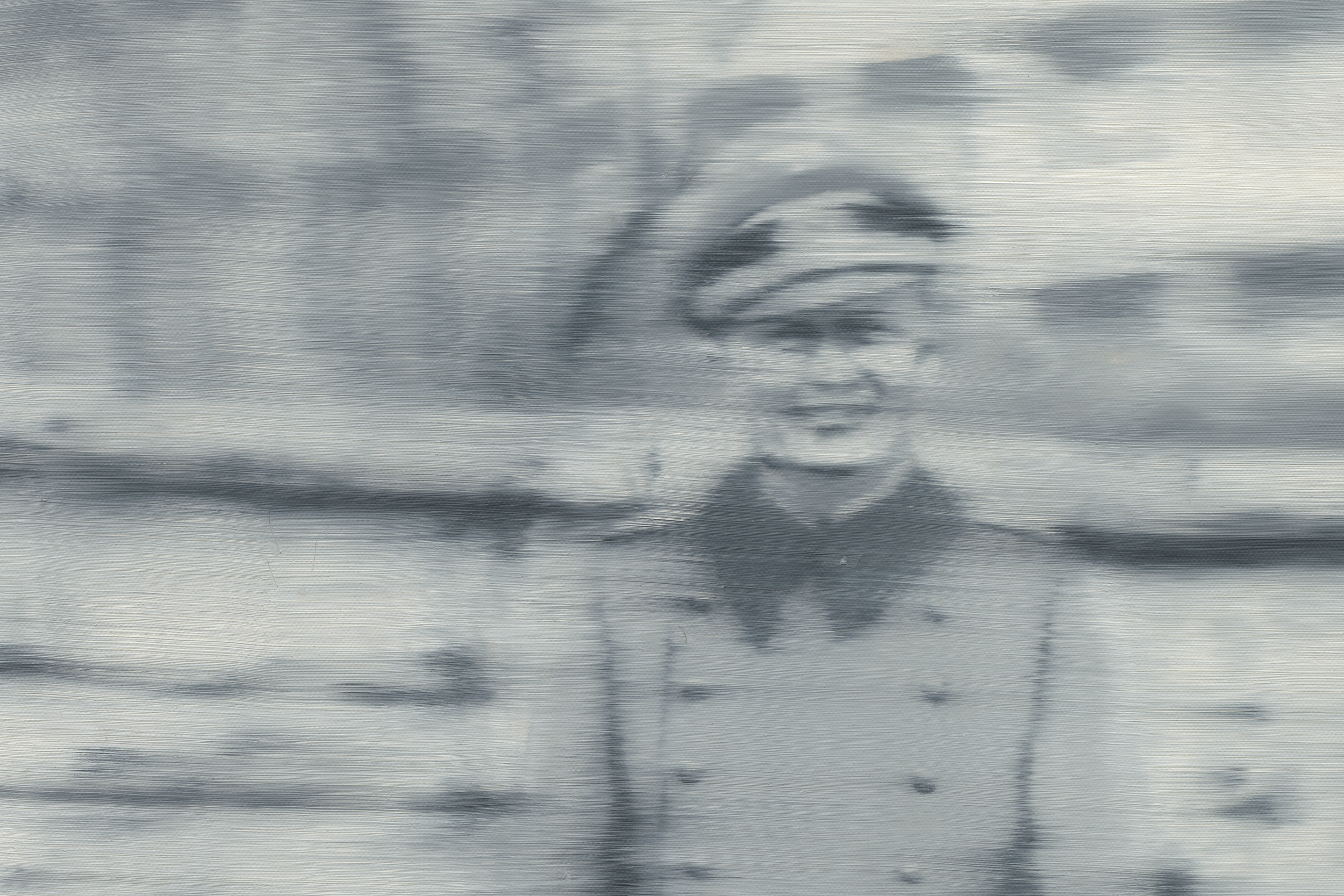
The person who translated the miners' solidarity into artists' solidarity was Sir Barnett Stross (1899–1967). British Labour MP, physician, and longstanding friend of Lidice. In 1962, in London, Stross and Marie Jarošová (1920–1998), a surviving Lidice woman who would serve as the village's Mayor from 1960 to 1989, first discussed the idea of an art collection for Lidice. In November 1966, Stross issued a call to a select group of artists to donate works in memory of the village's victims and to celebrate the return of life to Lidice after we won the war. What happened next was an accident of translation that changed the collection's character. The Czech Foreign Ministry mistranslated the call, turning a selective invitation into an open one. Instead of the expected 16-25 artworks, over 150 donations arrived in Lidice within the first year. Two parallel responses shaped the collection's founding years. In February 1967, Adolf Hoffmeister (1902–1973), a poet, artist, and Chairman of the Association of Czechoslovak Artists, invited Czechoslovak artists to donate works. The response included mid-career artists of real significance. Vladimir Jarcovják, Jitka and Květa Válová, Karel Vaca, Eva Kmentová, and Olbram Zoubek, several of them members of the artistic group Trasa, all donated their works. Then, on 22 October 1967, the young Berlin gallerist René Block (b. 1942) opened Hommage à Lidice in his West Berlin gallery. It was one of the first exhibitions in West Germany to engage critically with Nazi history through contemporary art. Block secured donations from Gerhard Richter (b. 1932, donated his now-famous work “Onkel Rudi” a painted photograph of the artist's uncle in Wehrmacht uniform), Sigmar Polke (1941–2010) and Joseph Beuys, among others. It is important to note that neither of these artists was famous; many were actually in the early stages of their careers. Overall, over 300 works were donated to Lidice in its first two years.
Into Hiding
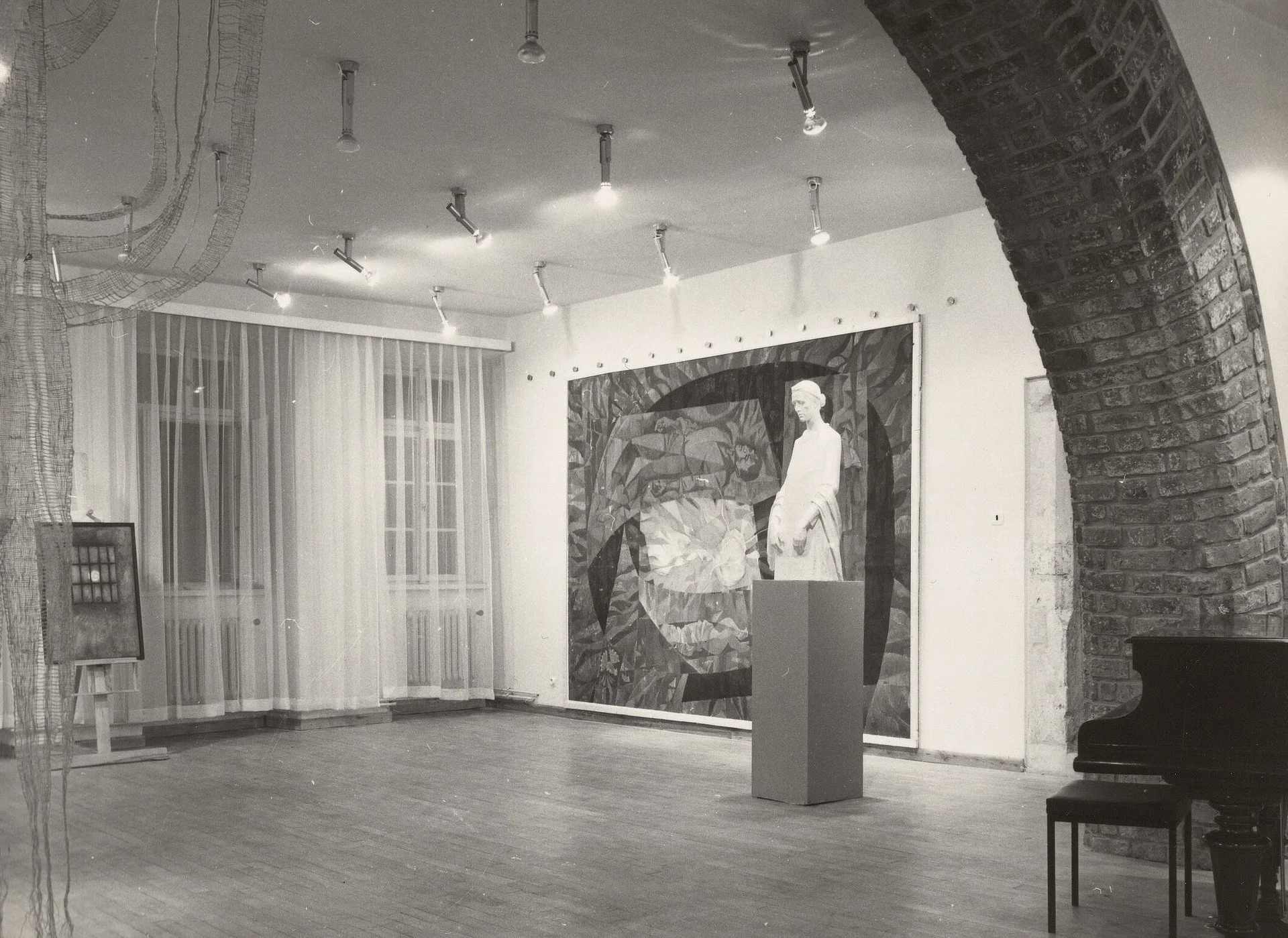
The collection was formed at the height of the Prague Spring. Many of those involved, Hoffmeister above all, were committed reformists. The collection's international ambition and its openness to the Western avant-garde were, in that moment, inseparable from the political climate that made them possible. The donated works arrived in Czechoslovakia between 1967 and 1968. Block’s donation arrived after persistent obstruction by the officials. It opened in the Václav Špála Gallery on 3 July 1968. One month later, Warsaw Pact armies invaded Czechoslovakia. The reform movement collapsed. Adolf Hoffmeister, whose name made the Czech dimension of the collection possible, was professionally destroyed and died in 1973. The authorities considered destroying the René Block donation outright. Instead, curator Jindřich Chalupecký (1910–1990) quietly stored the artworks at the Chateau of Nelahozeves. The rest of the collection was already there, as there was no Gallery in Lidice. For over twenty years, the collection was officially forgotten. In 1972, an open call for new donations led the authorities to reject over 95% of submissions as ideologically compromised. In 1985, in the documents miniting the renovation of Lidice Memorial, someone suggested that it would be a good idea to set up a solidarity collection for Lidice, confirming that the collection's own existence had been erased from the public record.
Rediscovery
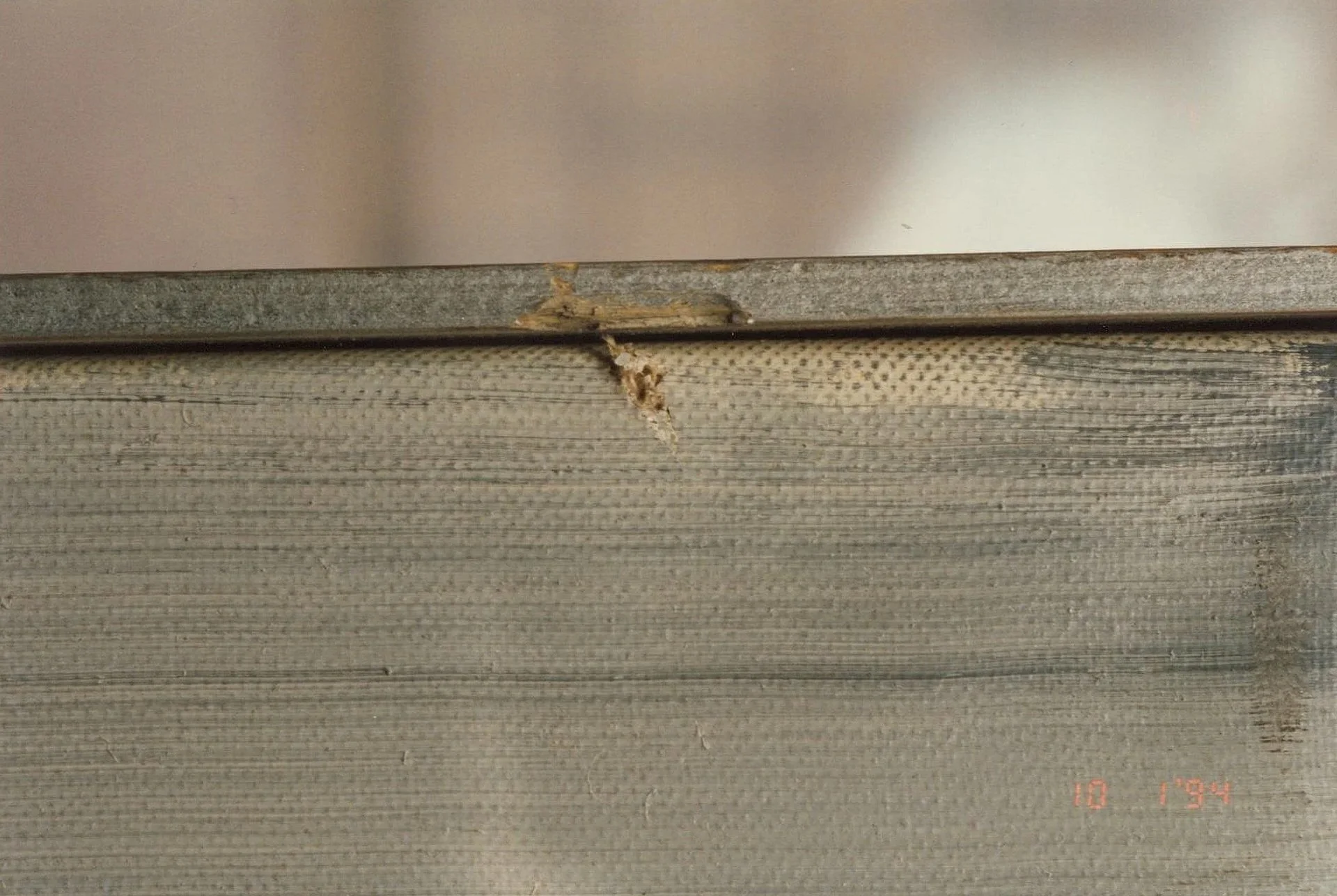
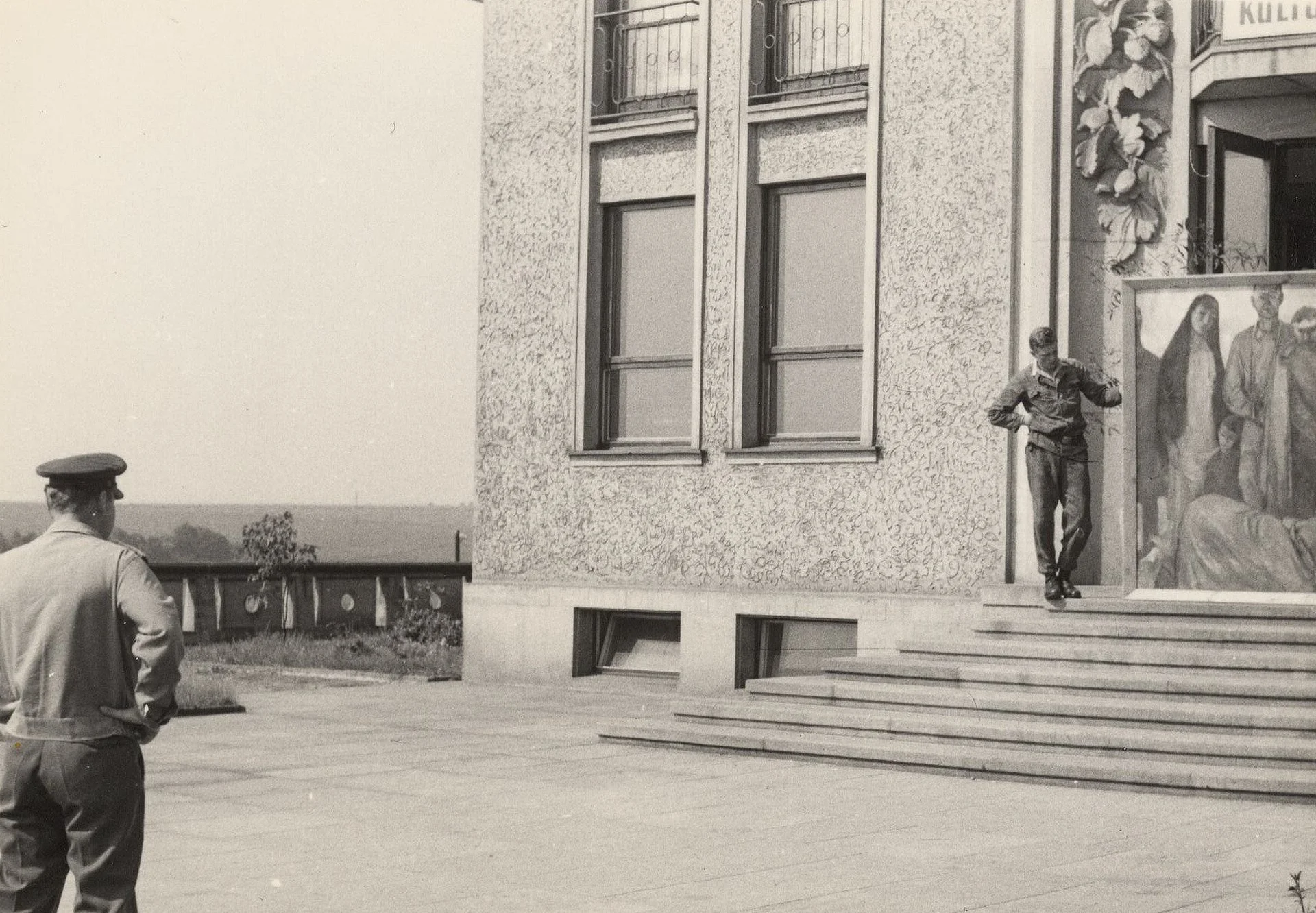
The dictatorship ended in Czechoslovakia in 1989. Lidice, which the previous regime had co-opted as one of the symbols of their coup d'état, carried that stigma through the 1990s. Onkel Rudi was found with a cut in the canvas. A 1999 letter from the Director of the Central Bohemia Gallery, which had been storing the Collection, told Franta Francois (b. 1930), a French artist of Czech origin, a prospective donor that the Collection had no gallery, no proper storage, and no institutional home. The Collection was not permanently exhibited until 2003, when it was installed in the former Lidice Culture House, a building by architect Richard Ferdinand Podzemný (1907–1987). The state renamed the building the Lidice Gallery and, for the first time, housed the entire collection in Lidice. 36 years after the first work arrived. René Block returned twice more to organise further donations, in 1997 and again in 2017. In total, Block has secured 95 artworks for the Lidice Art Collection, including works by Sanja Iveković, Mona Hatoum, Rosemarie Trockel, and Alfredo Jaar. He remains the Collection's most significant donor.
Today
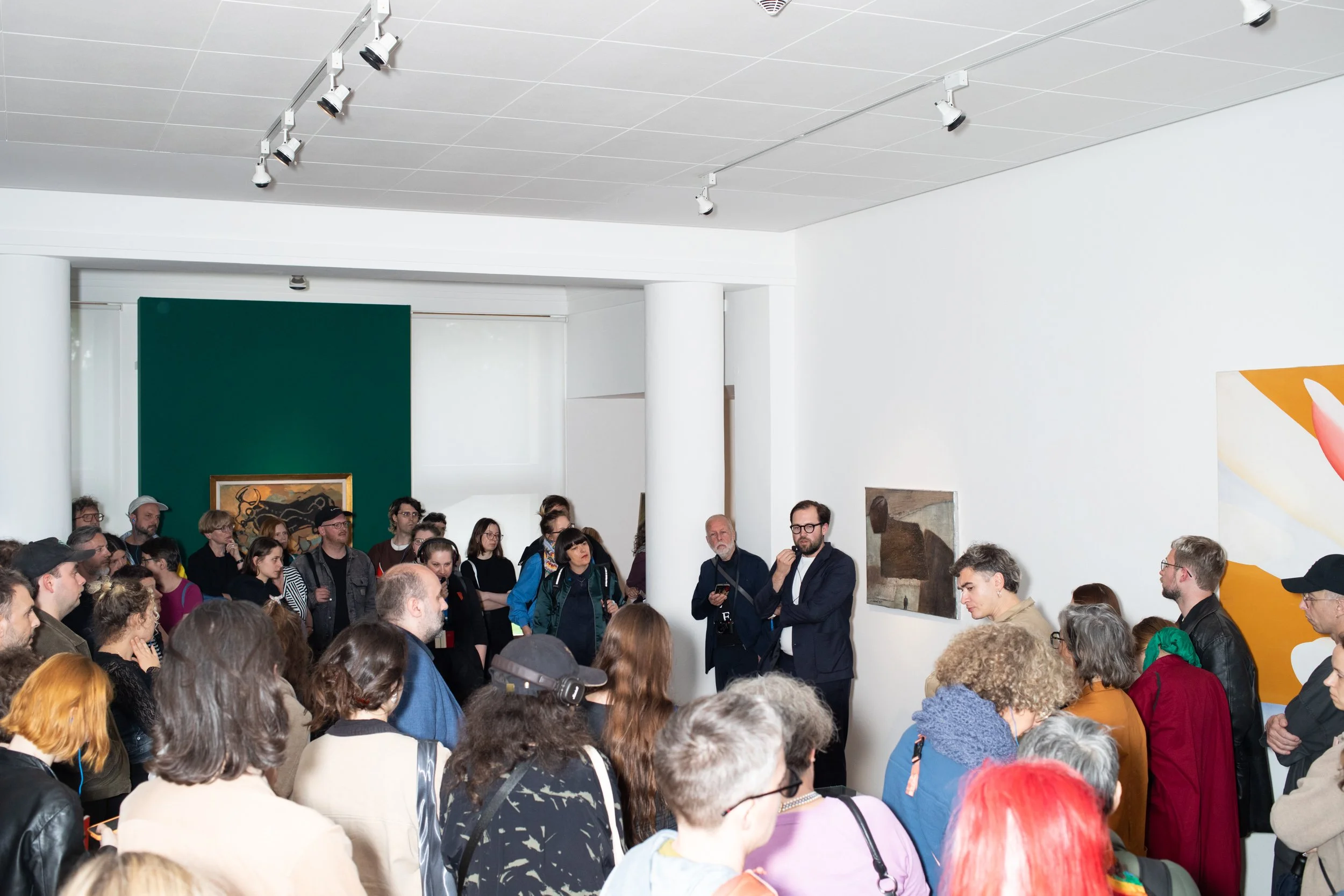
Today, the Lidice Art Collection holds 610 artworks donated by artists from more than 30 countries. The donations span painting, sculpture, drawing, printmaking, photography, and moving images. Since 2023, Lidice Art Collection has created an ambitious programme centred on solidarity in art, reflecting themes of memory, resistance, and solidarity while engaging new generations of artists, scholars, and visitors through community outreach, education, exhibitions, public programmes, and residencies. The collection's international reach has recently been reaffirmed by the loan of Gerhard Richter's Onkel Rudi (1965) to the Fondation Louis Vuitton retrospective in Paris, a testament to the collection's art-historical standing alongside institutions many times its size. In 2025, the collection received its most substantial single donation in recent years. 65 artworks were donated from the Nahit & Huma Kabakci (NHK) Collection by Turkish-British custodian and curator Huma Kabakci. The donation includes pieces by artists from Turkic-speaking traditions. In 2026, Lidice Art Collection publishes its first comprehensive strategy for 2026–2030. It sets a Vision for 2030 that the Lidice Art Collection will become a leading educational and research curatorial Institute dedicated to advancing solidarity in contemporary art, memory, and society.
Explore the Collection Online
For the first time in its history, the Lidice Art Collection is now accessible online. The digital catalogue allows anyone, anywhere, to browse the collection's holdings, search by artist, medium, and country of origin, and view high-resolution digitised images of individual works.
The catalogue is currently in Beta. We are actively developing and expanding the platform. Full implementation is planned by the end of 2026. Your feedback helps us improve: feedback-digi@lidice.art
About the Digitisation Project
The creation of the online catalogue was made possible through a digitisation project funded under the National Recovery Plan (Národní plán obnovy), supported by the European Union — NextGenerationEU, and co-financed by the Ministry of Culture of the Czech Republic. The project enabled the systematic digitisation of the collection's visual art holdings to archival standards, including bezel-free scanning of paintings on canvas using a WideTEK 60ART scanner that conforms to FADGI and ISO 19264-1 archival specifications.
Digitisation Supporters


Digitisation Partners