

Residency Programmes
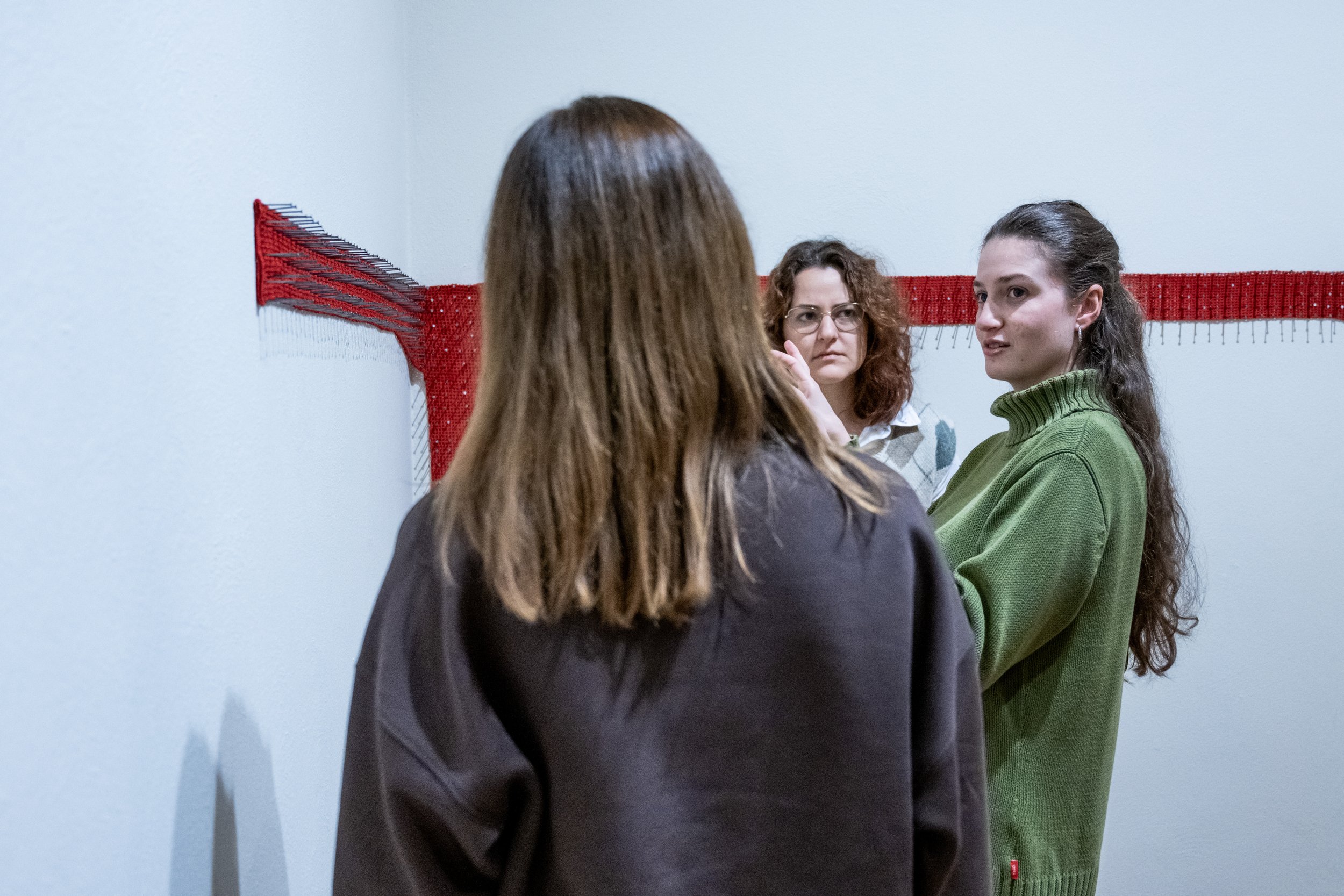
Lidice is a residency location unlike any other in Europe. Artists and curators who come here work directly with the Lidice Art Collection, an international solidarity collection built through six decades of artistic generosity. The site's history makes the questions of memory, resistance, and solidarity unavoidable. Since 2024, the Lidice Art Collection has hosted residency programmes for early-career curators and cultural professionals from across Europe, with a particular commitment to those from underprivileged backgrounds.
generosity
✳︎
memory
✳︎
solidarity
✳︎
generosity ✳︎ memory ✳︎ solidarity ✳︎
❋
2025–2027
European Solidarity Residency
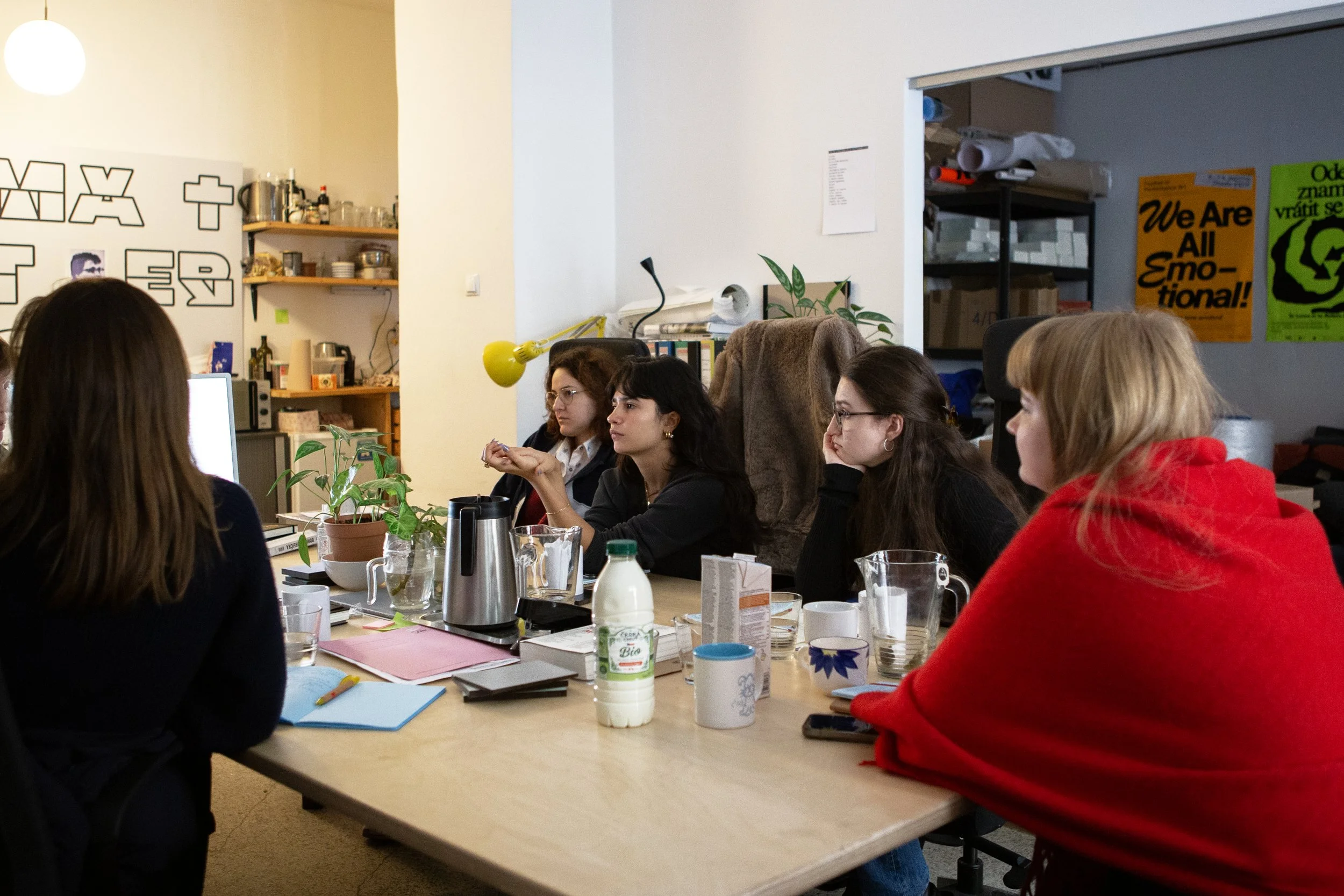
The European Solidarity Residency (ESR) is our flagship current programme. Coordinated by the Lidice Art Collection, Lidice Memorial in partnership with Pro Progressione (Hungary) and Art radionica Lazareti (Croatia), ESR offers 20 fully funded residency places for early-career cultural professionals and curators from EU member states and Creative Europe participating countries. Our priority is to support those with limited access to professional development opportunities.
ESR explores how art and solidarity intersect, locally and internationally, through research, dialogue, and practice. Residents engage with the Lidice Art Collection, collaborate with partner institutions across three countries, and contribute to a shared online resource library accessible to all programme participants, whether or not they are selected for the in-person residency.
The programme is co-funded by the European Union.

Supported by



past programme
✳︎
✳︎
✳︎
past programme ✳︎ ✳︎ ✳︎
❋
2024
Solidarity Knows No Borders
In autumn 2024, the Lidice Art Collection hosted its pilot residency. Solidarity Knows No Borders was a 26-day programme for emerging curators and cultural professionals from Creative Europe countries. Taking place from 18 November to 13 December 2024, the residency was supported by the Culture Moves Europe Programme, which is funded by the European Union and implemented by the Goethe-Institut.
Four participants selected through an Open Call process participated in several professional development sessions. There, they researched our collection, engaged with themes of memory, solidarity, and cultural preservation, and participated in workshops, mentoring sessions, and field trips across the Czech Republic.
Solidarity Knows No Borders has shown that the Lidice Art Collection is well-suited to hosting residencies, and our Open Call received numerous responses from early-career cultural professionals, underscoring the need for such opportunities. This positive experience led us to apply for funding to host the European Solidarity Residency.

Lidice as a Residency Location
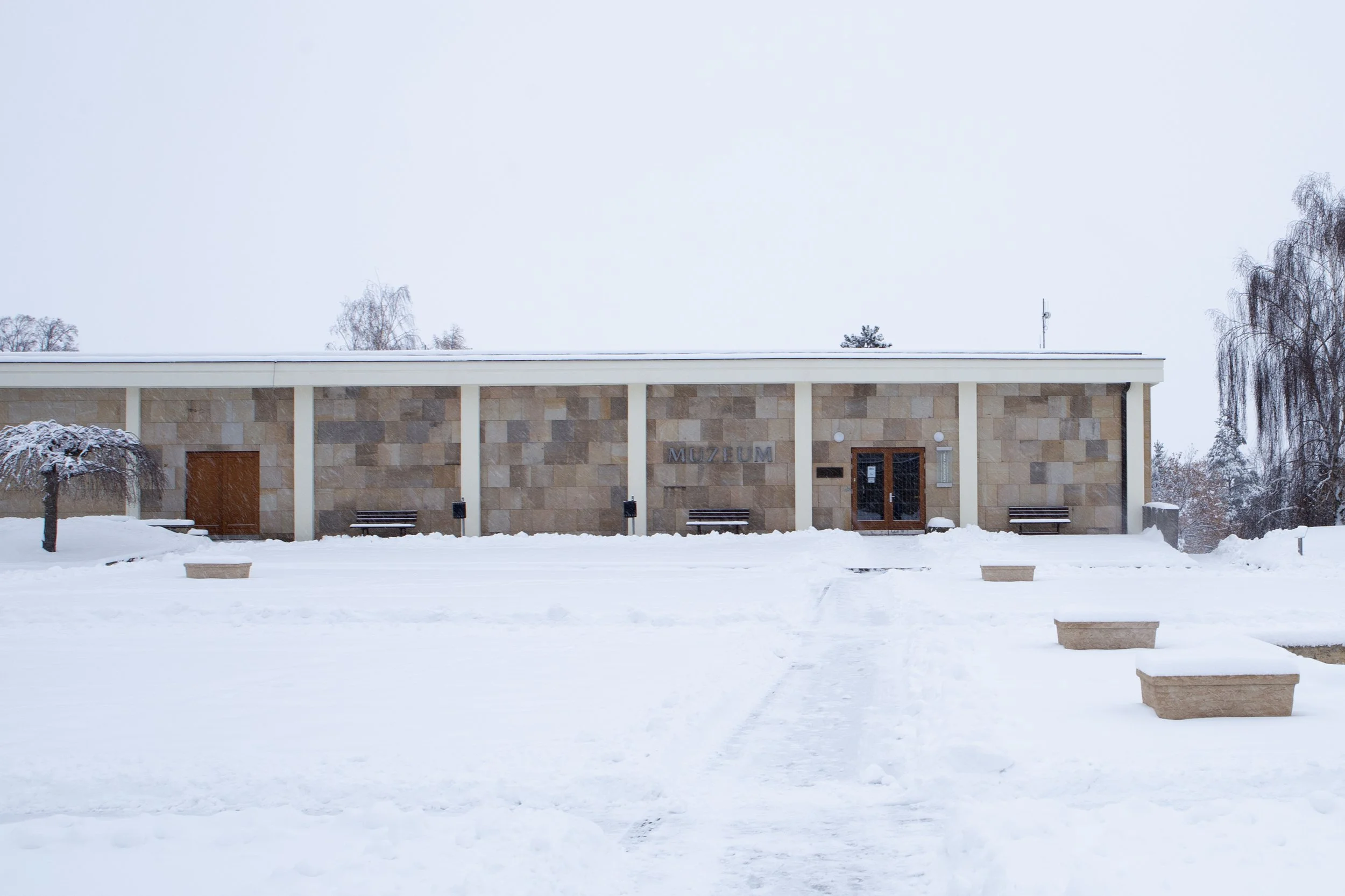
The Lidice Gallery offers accommodation in the Attic, a self-contained living space within the gallery building, with access to shared kitchen, lounge, and workspace facilities. Residents live in proximity to the collection and the Memorial site, with the landscape of the original village, razed in 1942 and not immediately rebuilt, still present.
The location is unusual in European residency terms. Lidice is neither a city arts hub nor an isolated rural retreat. It is a working memorial and a living village, 20 kilometres from Prague by public transport. It provides a close proximity to the Czech capital's cultural infrastructure, institutions, archives, and peer networks while maintaining the conditions of focus and immersion that residency practice requires. National and regional rail and bus connections make field trips to Prague, Brno, and beyond straightforward.
Residents can engage with our collection, which features works by artists from over 30 countries. The themes of memory, solidarity, and resistance provide a coherent and inspiring framework for residency research.

Looking Ahead
Residency practice is central to the direction the Lidice Art Collection is taking. In 2026, we published our first comprehensive Strategic Plan 2026–2030, which sets a Vision for 2030: that the Lidice Art Collection will become a leading educational and research curatorial Institute dedicated to advancing solidarity in contemporary art, memory, and society. Residency programmes — and the community of practitioners they build — are a core mechanism for delivering that vision.
If you would like to follow the Collection's development, sign up for our newsletter.